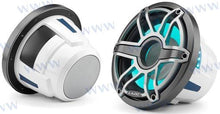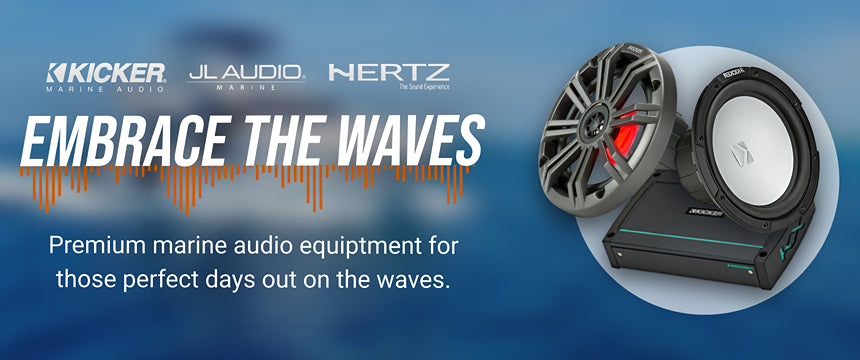
illustration Image of speakers and a logo for JL Audio Marine.

JL Audio Marine Products

When you’re building or upgrading boat audio, keeping component choices consistent can make the system easier to plan. This collection brings together JL Audio marine audio components so you can choose what you need by system role, then confirm fit and matching details before you order.


⛓ Live stock levels | 📲 expert help | 📚 Large catalogue
What should I check before buying JL Audio marine speakers for my boat?

Measure the cut-out diameter and mounting depth for each speaker location. If you’re replacing old speakers, check whether the new grille and mounting pattern will cover the existing footprint. Then confirm impedance and RMS power handling spec types so the speakers match your amplifier or head unit plan. If you have multiple listening areas, decide how you want zones controlled before choosing speakers.

How do I match a JL Audio subwoofer to my current setup?

Start with the install location and space available, including cut-out size and mounting depth. If the subwoofer is going into an enclosure, confirm the enclosure space is suitable for your plan. Then match impedance and RMS power handling spec types to your amplifier, and confirm you have an appropriate channel setup and wiring plan. Planning bass control and cable runs early helps avoid rewiring later.

I’m mixing JL Audio parts with existing equipment. What should I prioritise?

Fit and compatibility. Measure mounting spaces first, then check impedance and RMS power handling spec types so the new components work with your existing amplifier or head unit. Confirm connector types and cable routing so you’re not forced into awkward adapters during install. If you’re expanding zones, map channel count and control approach before ordering.

137 produtos

Building a JL Audio marine setup that fits first time


Choose components by role in the system

Start with what you’re solving: clearer sound in the cockpit, added bass, stronger power for multiple zones, or a full refresh. Once the role is clear, it’s easier to shortlist the right component types and compare the spec types that matter. This avoids buying parts that don’t support the system you’re actually building.


Make measurements part of your checklist

Most “wrong part” issues are fit-related. Measure cut-out diameters, mounting depths, and helm cut-out where relevant. If you’re mounting to a tower, confirm the mounting position and cable path. Doing these checks before ordering reduces install delays and avoids last minute compromises.


Shop JL Audio by Component: Source Units | Controllers | Wiring


Match channels, loads, and wiring before checkout

A clean system comes from matching. Use impedance and RMS power handling spec types to match speakers and subwoofers to your amplifier plan, then map zones and channel count. Confirm cable routing, connector types, and power distribution for a 12V system so installation is straightforward.