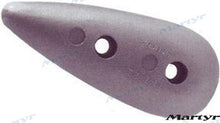
image of a disk anode on a white background

Hull Anodes

Hull anodes help protect underwater fittings and hull-mounted metalwork from galvanic corrosion. They are commonly used on boats with bonded systems and can be fitted in different shapes and sizes depending on available space and the hardware being protected. This collection groups hull anodes by common sizes, materials, and mounting styles.


⛓ Live stock levels | 📲 expert help | 📚 Large catalogue
How do I choose the right hull anode?

Start with the mounting style and the space available. Confirm whether it is bolt-on or strap-mounted and measure hole spacing and thickness. Then choose the anode size and profile that fits correctly. Material choice depends on your typical water type and what material you use elsewhere on the same system. Photos of the mounting area and measurements usually provide enough detail to confirm the right option.

Do hull anodes need bonding to work properly?

Many hull anode setups rely on good electrical connection to the system being protected, which can include bonding arrangements. Whether your boat uses a bonded system depends on the design and fittings. The practical checks are to ensure clean metal contact at mounting points and to inspect any bonding straps or connections for corrosion. If you are unsure how your boat is set up, match what is currently fitted and monitor wear patterns.

Why are my hull anodes wearing out unevenly?

Uneven wear can be caused by poor contact on one anode, missing anodes elsewhere, differences in immersion, or electrical issues such as stray current. Check each anode is seated on clean metal contact and is tight. Inspect bonding connections for corrosion. If one anode disappears rapidly, investigate shore power and charger setups, especially in marinas. Wear patterns are often a useful clue that the system needs a check.

447 produtos

Hull anodes, chosen by mounting style and space


Start with mounting format and hole spacing

Hull anodes vary by mounting method. Confirm whether yours is bolt-on or strap-mounted and check hole spacing and thickness. These details decide whether the anode seats correctly and maintains contact. A quick measurement now prevents a lot of frustration later.


Choose size based on space and protection needs

Bigger is not always better if the anode cannot be fitted correctly. Choose a size that fits the available space and allows secure mounting, then replace at sensible intervals. If you have multiple hull anodes, replacing as a set helps keep protection more balanced.


Shop Anodes by Type: Weldable Anodes | Shaft Anodes | Propeller Anodes


Fit for clean contact and check bonding basics

Hull anodes rely on good contact and, where applicable, bonding connections. Clean contact surfaces, remove paint where the anode sits, and tighten evenly. Inspect bonding straps and connections for corrosion. If anodes wear unusually fast or unevenly, it may indicate a wider electrical issue worth checking.