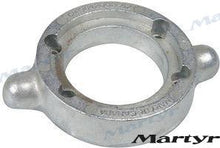
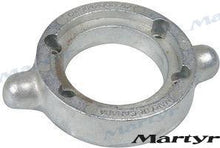
image of a shaft clamp anode on a white background

Shaft Anodes

Shaft anodes, often clamp-on designs, help protect prop shafts and nearby underwater metal components from galvanic corrosion. The key to choosing the correct shaft anode is matching the shaft diameter and ensuring the clamp style and width suit your installation. This collection groups shaft anodes by common sizes, materials, and mounting formats.


⛓️ Live stock levels | 📲 expert help | 📚 Large catalogue

292 products

Shaft anodes, matched to diameter and clearance


Diameter comes first, then width and profile

Most shaft anode problems come from incorrect diameter selection or choosing an anode that is too wide for the available clearance. Measure the shaft with a caliper or a reliable measurement method and confirm the width you can fit without fouling nearby bearings, brackets, or props.


Clamp style and bolt layout affect security

Some shaft anodes use different bolt layouts or clamp designs. Confirm the fixing style and ensure you can access bolts for tightening and future inspection. A secure clamp matters, because a loose anode can move, lose contact, or fall off.


Fit clean contact surfaces and monitor wear

Clean the shaft surface where the anode clamps to ensure solid contact. Tighten evenly and re-check after a few outings. Steady wear is expected. Very rapid wear can indicate electrical issues or missing anodes elsewhere, while little wear often points to poor contact or unsuitable material choice.


How do I measure my shaft for the correct shaft anode?

The correct method is to measure the shaft diameter directly, ideally with a caliper. If that is not possible, measure the circumference and calculate the diameter, but direct measurement is best. Once you know diameter, confirm the anode width and profile so it fits within available clearance. Also check the clamp style and bolt layout. If you can share your diameter and a photo of the shaft area, it is usually enough to confirm the right option.

Which anode material should I choose for a shaft anode?

Material choice depends on your typical water type and what you use elsewhere on the same system. Many owners choose zinc or aluminium depending on salt or mixed conditions, and magnesium is commonly used in fresh water. The practical approach is to keep material consistent across the same protected system so wear behaviour is predictable. If you tell us your water type and the rest of your anode material choice, it is easier to guide selection.

Why does my shaft anode come loose or fall off?

A loose anode is usually caused by incorrect diameter selection, poor tightening, or contamination under the clamp that reduces friction. Confirm the anode is the correct diameter and that the shaft surface is clean before fitting. Tighten bolts evenly and re-check after a few trips. Also confirm the anode width does not foul nearby fittings, which can create movement. If anodes repeatedly loosen, inspect for shaft surface issues and consider whether the clamp style suits your setup.