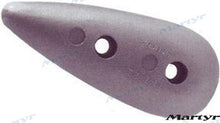
image of a weld on anode with Tecnoseal branded stamping on a white background

Weldable Anodes

Weldable anodes, often called weld-on anodes, are used where bolting is not suitable or where a permanent mounting method is preferred. They are common on hulls and underwater metalwork where a welded attachment point allows a secure fit and reliable contact. Choosing the correct weldable anode is mainly about selecting the right size, profile, and material for your environment and the metalwork being protected.


⛓️ Live stock levels | 📲 expert help | 📚 Large catalogue

46 products

Weld-on anodes, chosen by size, material and install plan


Select the right size for the space, not the biggest you can find

Weldable anodes need to fit the available area without interfering with nearby fittings or flow. Choose a profile that suits the mounting point and allows secure welding, then replace before it is fully consumed. An anode that is too large can be awkward to install properly, while one that is too small may require more frequent inspection and replacement.


Material choice should match your water type

Weld-on anodes are available in different materials and the correct choice depends on where the boat spends most of its time. Keep material consistent across the same protected system so wear behaviour is easier to monitor. If your boat operates in mixed waters, choose based on the dominant environment and monitor wear at service intervals.


Shop Anodes by Type: Shaft Anodes | Propeller Anodes | Hull Anodes


Installation quality affects performance and wear

A weld-on anode still relies on good electrical connection. The mounting area should be prepared correctly and the weld should provide secure attachment. After installation, inspect periodically for steady wear. Very rapid wear can indicate electrical issues, while little wear can indicate poor connection or the wrong material choice for the environment.


How do I choose the correct weld-on anode size?

Start with where it will be fitted and the available space. Measure the mounting area and check clearance from nearby fittings. Then choose an anode profile and size that can be welded securely without interfering with operation or flow. Also consider how often you want to inspect and replace it, because smaller anodes may require more frequent checks. If you share the intended mounting location and approximate dimensions, it is easier to narrow down suitable options.

Which material should I choose for a weld-on anode?

Material choice depends on your typical water type and the rest of the anode system on the boat. Many owners keep the material consistent across the same protected system so wear behaviour is predictable. If you are unsure, match what has been used successfully before or share your boating environment. Material choice is important, but it only works properly when the anode is installed with good electrical connection.

Why is my weld-on anode not wearing down?

Little to no wear can indicate poor electrical connection or contact, or an unsuitable material choice for your environment. Check the installation quality and make sure the anode is attached correctly. Also confirm other anodes in the system are fitted and wearing normally. If a weld-on anode stays unchanged while others waste, it may not be connected into the protected system as intended. Monitoring wear patterns across the boat helps identify issues early.