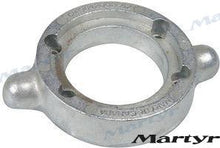
image of a marine engine internal anode on a white background

Engine Anodes

Engine anodes, often called pencil anodes, help protect internal cooling components from corrosion. They are commonly fitted in heat exchangers, oil coolers, aftercoolers, and related housings, depending on the engine. Replacing them at service time can help reduce avoidable damage inside the cooling system, but the correct anode depends on the exact thread, length, and location.


⛓ Live stock levels | 📲 expert help | 📚 Large catalogue

How do I confirm the correct engine anode or pencil anode?

Provide your engine make, model, and serial, and tell us where the anode is fitted, heat exchanger, oil cooler, aftercooler, or another housing. Confirm the thread type and size and measure the old anode’s length and diameter. Also check whether the listing includes an anode only or an anode with plug and seals. If you can share photos of the plug assembly and the old anode, it is usually enough to confirm the correct match.

How often should engine anodes be replaced?

Replacement intervals depend on engine use and water conditions, so inspection is the safest approach. Check at routine service intervals and replace any anode that is heavily wasted, cracked, or close to being consumed. Leaving an anode until it disappears completely can increase corrosion risk and can also make removal more difficult, especially if plugs seize. If you are unsure, inspect more frequently during the season and adjust based on how quickly your anodes wear.

What are common mistakes when replacing engine anodes?

The biggest mistakes are ordering the wrong thread size or length, overtightening the plug, and reusing worn seals. Another common issue is fitting an anode without confirming whether it includes the plug and sealing parts, which can delay installation. Always clean the seating surface, confirm the correct sealing washer or O-ring, and check the anode fits without bottoming out. If a plug is seized, forcing it can snap the anode or damage the housing threads.

509 produtos

Engine anodes, matched by thread, length and location


Thread type and length are the key fitment checks

Most wrong orders happen because the thread or length is assumed. Engine anodes can share a similar appearance but use different thread sizes or sealing styles. Confirm the thread type and measure the old anode or plug assembly. Length matters too, because an anode that is too long can bottom out, and one that is too short may not protect as expected.


Identify the housing location before you order

Engines can have multiple anode points across different coolers. Knowing whether the anode sits in the heat exchanger, oil cooler, or another housing helps you match the correct style and size. If you are unsure, a photo of the anode plug and the housing position is often enough to narrow it down.


Shop Anodes by Type: Hull Anodes | Outboard Anodes | Sterndrive Anodes


Service tips that prevent seized plugs and broken anodes

When replacing, take care not to damage threads and sealing faces. Clean the seating area, inspect the sealing washer or O-ring, and avoid overtightening. If a plug is corroded or stuck, forcing it can cause breakage. Replacing engine anodes before they are fully consumed helps avoid difficult removals and supports consistent protection.