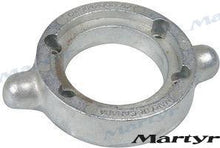
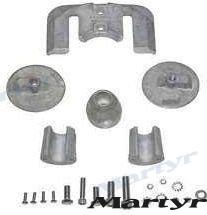
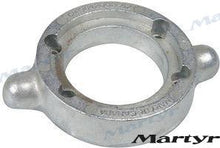
image of a anode for a yanmar sterndrive on a white background

Yanmar Anodes

Yanmar anodes protect key parts of your system that are exposed to seawater or coolant circuits, helping reduce galvanic corrosion over time. Depending on your setup, you may have anodes on a saildrive leg, on underwater fittings, and pencil anodes in engine cooling components. This collection focuses on anodes used across Yanmar applications.


⛓️ Niveaux de stock en direct | 📲 aide d'experts | 📚 Vaste catalogue
65 produits

Vous achetez pour une entreprise maritime ?

Demandez l'ouverture d'un compte commercial TMP Global ou envoyez-nous votre liste de SKU pour connaître les prix commerciaux, les stocks et les délais de livraison.

Postulez en moins de 60 secondes, obtenez une approbation en moins de 24h !

Yanmar anodes, matched by location and model


Engine anode locations and saildrive anodes are not interchangeable

Some Yanmar setups use pencil anodes in cooling components, while others focus on saildrive and underwater hardware. Identify the location first, then match the correct shape, fixing, and measurements for that position. This prevents ordering the right brand anode for the wrong part of the system.


Measurements matter, especially for small anode positions

Pencil and compact anodes are often matched by thread type, length, and diameter. For plate and ring styles, hole spacing and thickness are key. If markings are unclear, take photos and measure the old anode or the mounting point. That simple step avoids repeat ordering and delays during servicing.


Installation checks that keep corrosion protection effective

Clean mating surfaces and remove paint or oxide where the anode contacts metal. Tighten correctly and make sure the anode is not loose. Inspect during the season if the boat stays in the water, especially in marinas. Unusual wear can indicate missing anodes, bonding faults, or stray current issues that should be investigated.


What information do I need to confirm a Yanmar anode?

Provide your engine model and serial, or saildrive model if it is a leg anode. Then identify the anode location you are replacing, such as saildrive ring or plate, hull fitting, prop area, or an engine cooling pencil anode position. Match the physical details, shape, thread type where relevant, and dimensions. Part numbers from diagrams or old packaging help validate. Photos of the anode position and the old anode usually make confirmation quicker.

How do I choose an anode material for a Yanmar setup?

Material choice depends mainly on where you boat, salt, brackish, or fresh water. Many owners replace like-for-like based on what has worn normally on their boat. If you are changing material, switch the set on the same protected system together and keep material consistent within that system. If you tell us your water type and what the anodes fit, it is easier to guide the choice.

Why do my Yanmar anodes show little wear after months?

Low wear can be normal in some environments, but it can also indicate poor contact. Check the anode is not insulated by paint, oxide, or sealant, and confirm fixings are tight. Make sure you have the correct anode for the mounting point and the right material for your water type. If other anodes are missing, wear behaviour can be uneven across the system. A quick contact check often explains an anode that looks unchanged.