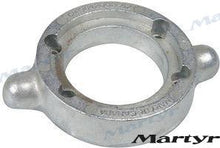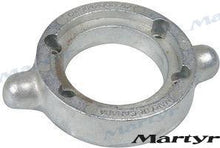
image of a disk anode with Tecnoseal branded stamping on a white background

Aluminium Anodes

Aluminium anodes are widely used for marine corrosion protection, particularly for boats that spend time in salt or brackish water. The key to choosing the right aluminium anode is still fitment: the correct shape, dimensions, and mounting style for the component you are protecting. This collection groups aluminium anodes across common marine applications.


⛓ Live stock levels | 📲 expert help | 📚 Large catalogue

When should I choose aluminium anodes instead of zinc or magnesium?

Material choice is usually based on where the boat is used. Aluminium anodes are commonly used in salt and brackish environments, while zinc is also common in salt water and magnesium is typically used in fresh water. If your boat spends time in mixed waters, choose based on where it spends most of the season. The most important step is still confirming the anode fits correctly by model, shape, and mounting details. If you share your water type and what the anodes fit, it is easier to guide the selection.

How do I confirm an aluminium anode will fit my sterndrive or outboard?

Start with the exact model of the drive or outboard, then identify the anode location, such as plate, trim tab, ring, or hardware mounts. Match the shape, thickness, and hole spacing, and confirm the fixing type. If the old anode is available, measure it or take a photo beside a ruler. Part numbers are useful where available, especially for kits. Fitment should be confirmed using measurements and photos, not only engine family name.

Can I mix aluminium anodes with other materials on the same boat?

It is best to keep the material consistent across the same protected system, such as all anodes on a sterndrive or all anodes on a shaft setup. Mixing materials can lead to uneven wear, which makes inspection harder and may reduce predictable protection. If you are switching material, replace the set together rather than swapping one anode at a time. If your boat has separate systems, you can still choose materials appropriately, but keep each system consistent.

479 products

Aluminium anodes that fit properly and wear as expected


Fitment matters more than material choice

Aluminium anodes only work if they are the correct shape and make solid contact. A clamp anode with the wrong diameter range, or a plate anode with incorrect hole spacing, will not sit correctly and can lose contact. Start by identifying the anode location, then match the mount type and dimensions. This approach reduces returns and avoids fitting issues during servicing.


Replace as a set for consistent protection

If your sterndrive, outboard, or shaft system uses multiple anodes, replacing them together helps maintain balanced protection. Mixing old and new anodes can change how quickly each one wastes. If you are changing from zinc or magnesium to aluminium, it is usually cleaner to switch the set across the same system rather than swapping one piece at a time.


Shop Anodes by Type: Outboard Anodes | Anode Kits | Hull Anodes


Installation checks that prevent “no wear” problems

Poor contact is a common cause of an anode that looks new after months. Clean the mounting surface, remove paint from the contact area, and tighten fixings evenly. After a few outings, inspect that the anode is still secure. If wear is extremely rapid, investigate possible stray current sources and confirm you have not missed an anode position elsewhere.