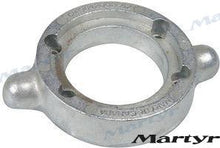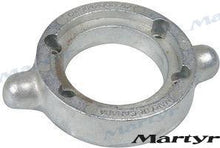
image of a hull anode on a white background

Magnesium Anodes

Magnesium anodes are commonly chosen for boats that spend most of their time in fresh water, helping protect underwater metal components from galvanic corrosion. The key is still fitment. You need the right shape, dimensions, and mounting style for the specific component you are protecting, whether that is a drive, outboard, shaft, hull fitting, or engine cooling circuit.


⛓ Live stock levels | 📲 expert help | 📚 Large catalogue

Are magnesium anodes only for fresh water?

Magnesium anodes are typically used in fresh water, but the correct choice depends on where your boat spends most of the season. If you regularly move into brackish or salt water, aluminium or zinc may be more appropriate for those conditions. The safest approach is to match what has worked for your boat previously and keep material consistent across the same protected system. If you tell us your usual water type and what the anode fits, it is easier to point you in the right direction.

How do I match a magnesium anode to my drive or outboard?

Start with the exact model the anode fits and identify the anode location, such as cavitation plate, trim tab, transom plate, ring anode, or hardware mount. Then match the anode’s shape, thickness, and hole spacing, or clamp diameter if it is a shaft type. If you have an old anode, measure it or take a photo next to a ruler. Part numbers are useful when available, especially for kits and ring styles.

Why is my magnesium anode wearing out very quickly?

Fast wear can be caused by water conditions, stray current issues, or missing anodes elsewhere on the system. First check the anode is the correct material for your typical environment and that all expected anodes are fitted. Then inspect bonding straps, wiring connections, and any shore power or charger setup for corrosion or faults. Also make sure the anode is seated correctly with clean contact surfaces. Rapid wastage can be a useful warning sign that something else needs attention.

60 produits

Choosing magnesium anodes with fewer mistakes


Confirm the mount style before you look at shape

Many wrong orders happen because the fixing method is overlooked. A clamp anode needs the correct diameter range, a plate anode needs the right hole spacing, and strap anodes rely on correct strap width and bolt size. Start by identifying how your current anode is attached, then match the shape and dimensions. This saves time during servicing.


Fresh water use depends on a like-for-like approach

If your boat has been running magnesium anodes successfully, replacing like-for-like is usually the safest move. If you are changing materials, switch the set across the same system rather than swapping one anode at a time. That keeps wear behaviour consistent and makes inspection simpler.


Fit clean contact surfaces so the anode can do its job

Anodes only work when they have solid metal-to-metal contact. Clean off paint, heavy oxide, and grime at the mounting point, then tighten fixings evenly. After a few trips, check the anode is still secure and wasting normally. Little to no wear often points to poor contact, not a “long-life” anode.